

Media
|
Transcripts
September 22, 2026
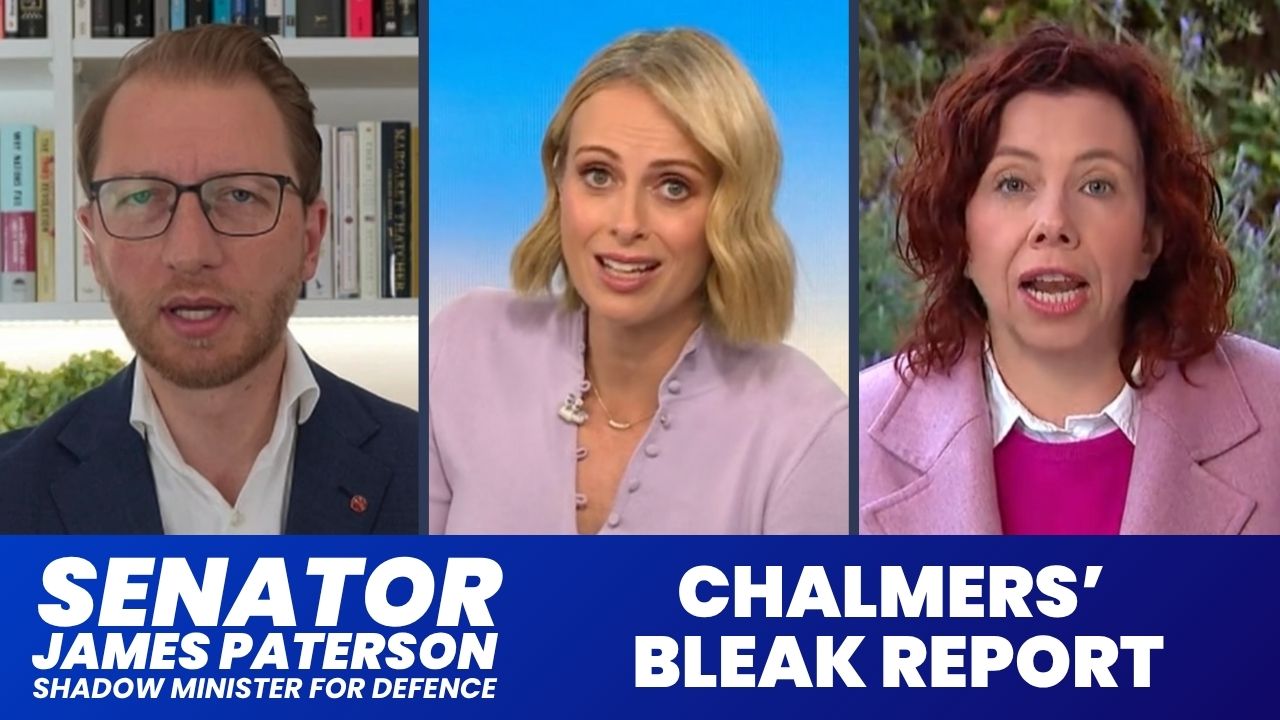
SENATOR JAMES PATERSON
SHADOW MINISTER FOR DEFENCE
LIBERAL SENATOR FOR VICTORIA
TRANSCRIPT
INTERVIEW
NINE NEWS TODAY SHOW
Tuesday, 22 September 2026
Topics: Jim Chalmers’ bleak intergenerational report, migration policy, Triple zero
E&OE…………………………………………………………………………………………
SYLVIA JEFFRIES: Joining us to discuss today's headlines is Minister for Employment Amanda Rishworth and Shadow Minister for Defence James Paterson. Morning to you both and thanks for your time. Amanda, are you driving us off a cliff?
AMANDA RISHWORTH: Well, look, no, not at all. What this report does show is the challenges that we're facing. We are facing an ageing population. That is not new. That's something that we've known for some time. And we're also, of course, in a position where, as the report shows, we are in better position than many other countries. But what this has demonstrated is that some of the measures that we are taking are critical. Making sure that we're giving tax cuts to workers. Getting our superannuation system in the best position possible so that people can live in a better retirement with more money. Of course, in addition to that, making sure that we are investing in productivity growth. And we've had a big productivity agenda as well. So, when it comes to home ownership, for example, making sure that people get a chance to get into their first home. So, this does outline challenges, but also some really important opportunities that if we play right in the next number of decades, Australia will be in a very good place to reap the benefits.
JEFFRIES: Surely, you don't feel optimistic reading that report though Amanda?
RISHWORTH: I do feel that there are challenges, but we are in a good position to address them. Having a look at having a better quality of life, which it shows in a healthier, longer life is really important. We've got to make sure that we are preparing now and that's why we have been focused, for example, in balancing the tax system to help workers. That's what some of our reforms have been about. So, we have to seize these opportunities. We can't just let it happen.
JEFFRIES: It makes it very clear there will be a huge tax burden on younger generations. But with also deaths outpacing births, James, it is clear we will become even more reliant on migrants into the future. Do you still support the Coalition's plan to dramatically slash net migration?
SENATOR JAMES PATERSON: Well, we certainly have to get migration to be more sustainable. That doesn't mean that it has to be zero. But it has to grow sustainably that our housing market can accommodate, and we've outlined some of the plans there already. But this intergenerational report outlines a very bleak and depressing future of higher taxes, more debt, lower growth and less prosperity. And it's no surprise that about two thirds of Australians think our country is heading in the wrong direction. Perhaps the most sobering thing about the report is that Jim Chalmers has actually cooked the books. He's put in completely unrealistic productivity assumptions over the next 30 years, when over the last four years under Labor, productivity has actually gone backwards. So, the picture is even worse than what Jim Chalmers outlines, and it's no surprise given the policy direction this government has taken us in. We need a different plan. We need to index income tax brackets, so they don't keep rising with inflation in the future, as we have proposed. We need to slash red tape and regulation. And we need to use all of our natural resources so that we can get energy costs down. But if we don't, the future is looking very bleak indeed.
JEFFRIES: Moving on, a Senate inquiry has found Telstra should lose control of Australia's triple zero service following multiple recent outages across the major telco networks. In its place, recommending the establishment of a government-run national authority for the essential service. Amanda, is the government willing to take that on?
RISHWORTH: Well first I would say our first and foremost focus is making sure that the triple zero network works and we have an expectation that whoever's running it needs to make that happen ...
JEFFRIES: Are you open to running it?
RISHWORTH: and that's why we've increased the penalties. Well, look the Minister has indicated that she will consider the Senate report recommendations and she'll go through all of those, but we can't wait. We need to get on with action now and make sure that Telstra is doing its job and that's why the triple zero custodian is reviewing the whole legislative framework that governs this. But we need to make sure ultimately at the end of the day people can get through in an emergency when they need it.
JEFFRIES: James, Telstra has been running the emergency service now since 1961, have they lost the right?
PATERSON: Well, there's no doubt there's been shocking failures of triple zero on this government's watch over the last four years and Australians are right to be angry. But I've got to say I'm personally not convinced that letting Annika Wells run it is going to make it any better. Let's not forget during these previous outages, she said that everyone had to go easy on her because she was a "new minister". And I'm not convinced she'll do a better job. So, I think the obligation is on the government to make the system work better. To put pressure on the telcos to deliver those services that Australians rightly expect and deserve.
JEFFRIES: Okay, we're out of time. Amanda and James, we appreciate you joining us this morning.
PATERSON: Thank you.
ENDS