

Media
|
Transcripts
March 26, 2026
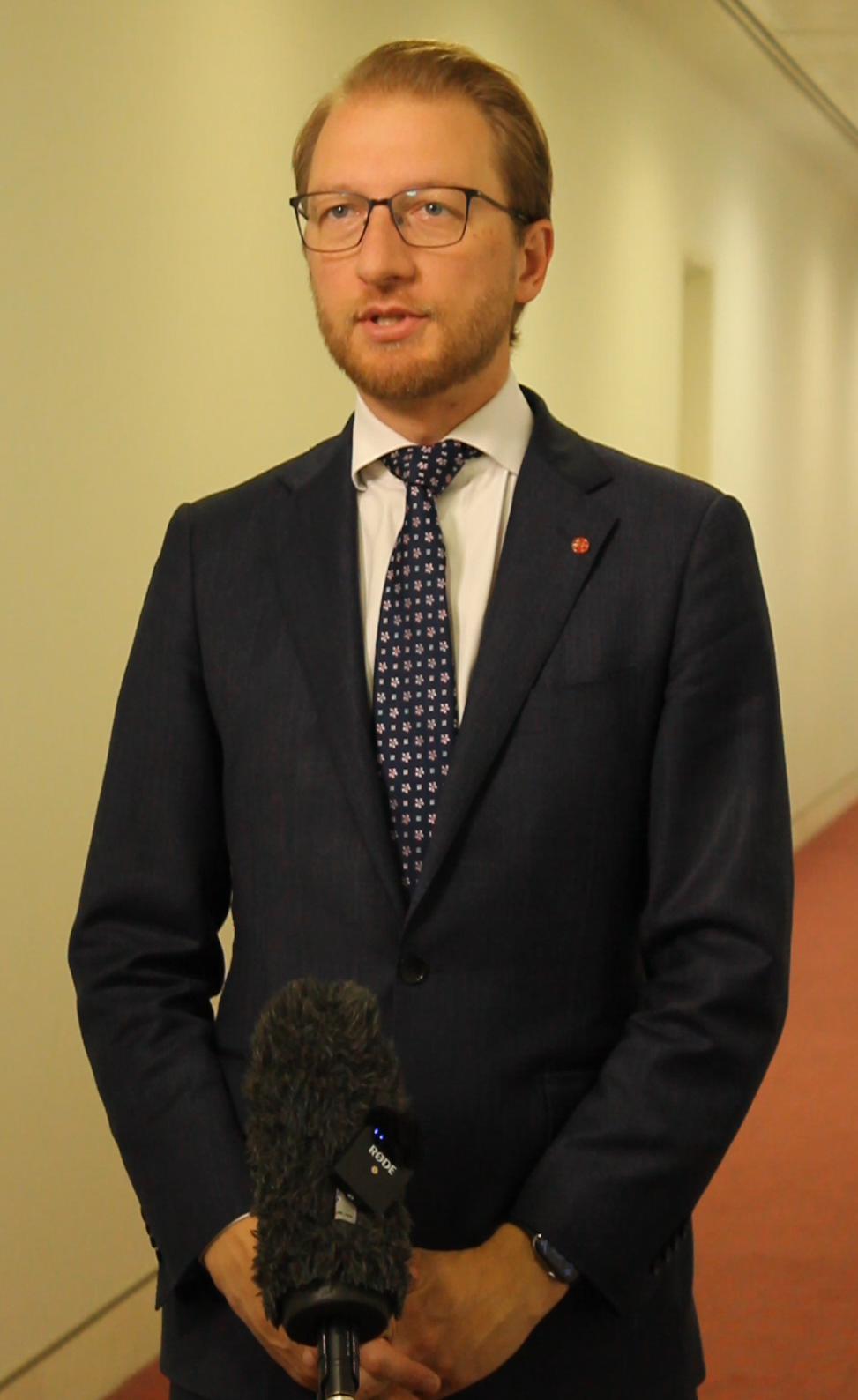
Thursday, 26 March 2026
Topics: Labor’s lack of clarity on Australia’s fuel crisis
E&OE…………………………………………………………………………………………
SENATOR JAMES PATERSON: Australia entered the Iran crisis in the weakest position in the world because we had the highest inflation amongst major advanced economies and rising. The problem with Labor's mismanagement of our economy, the problem with Jim Chalmers record spending, a 40-year high as a proportion of the economy outside the pandemic, is that it was pushing inflation up even before the crisis hit. You can't control global events, but you can enter into crises in a much better position than Australia did, and because of Labor's failure to manage the economy, to keep it under control, Australians are paying the price. They made that far, far worse when they spent the first week of this crisis gaslighting Australians about the problem. They called it “right-wing extremist fear-mongering” and “misinformation.” Now we have a real crisis on our hands and we have an energy minister whose focus is elsewhere. What the government needs to do is to step up, take responsibility, fix the problems, and stop gaslighting Australia.
JOURNALIST: Senator, doesn't the latest jobs figures kind of show, because they're pretty steady, aren't we weathering this storm pretty well? Are we really the worst placed in the world to approach this?
SENATOR JAMES PATERSON: I really don't think most Australian families will feel that way, even earlier in this year before this crisis hit they were really struggling with the cost of living, we had interest rate increases again after Jim Chalmers did a victory lap and declared he'd defeated inflation and now they have been smashed by record high petrol and diesel prices with no relief in sight. So I think Australians know we were in the worst position in the world to deal with this crisis because of Labor's mismanagement.
JOURNALIST: Senator, National Cabinet next week, what do the states and territories need to do to try and ease some of the pain that particularly Aussie motorists are feeling at the moment?
SENATOR JAMES PATERSON: Generally speaking, I try not to give public advice to state governments, I'm in the federal parliament. What the federal government needs to do is to step up and lead. I think it's very illustrative that you've got Jacinta Allan, the Victorian Labor Premier, basically begging the Prime Minister to lead, to take charge of this crisis, to have a nationally coordinated approach. While the federal government has been trying to push responsibility onto everyone but themselves, including the states, we need a nationally coordinated approach.
JOURNALIST: If the federal government, as you say, does step up and lead and suggest potentially softer rationing, more voluntary rationing measures, encouraging people to work from home, encouraging people to take public transport, drive less, that kind of thing, is that something that the Coalition would support to try and manage some of the demand for fuel?
SENATOR JAMES PATERSON: Well, that shouldn't be necessary based on what the government is telling us right now. Yesterday, Clare O'Neil, a senior cabinet minister, said on television we have more fuel in the country than we did at the start of the crisis. Now, if that is true rationing should be completely unnecessary, whether it's soft or hard rationing. The problem is that fuel is not getting to where it needs to go, and that is a supply problem. And one that Chris Bowen can fix. He has extraordinary powers under the Fuel Security Act, passed by the previous government when Angus Taylor was the Energy Minister, he should use them.
JOURNALIST: Isn't the problem, though, that yes, the fuel is in the country, but because of the complexity of the supply chains, it actually takes quite a while for it to get from the reserves to the petrol stations?
SENATOR JAMES PATERSON: That might be the government's excuse, but I don't think Australians will accept that, and nor should they. We've been through similar crises like this before, including the AdBlue crisis, and the federal government rolled up their sleeves, lent in, and made sure that critical supplies got to where they needed to. We got through that crisis. The only way we'll get through this crisis is if we have a federal government that is willing to do the same. Right now, Chris Bowen's priorities seem elsewhere. Thanks, everyone.
ENDS